
Records are made to be broken. Whether that be grandiose records like the tallest building in the world, sublime records such as the world’s most expensive painting, or perhaps records of events that are, undoubtedly, out of the ordinary, such as breaking the most bricks with one’s head, there is every chance that the next day when we rise, the record will be rewritten in the history books. Today, although the record we will be looking at is not as unconventional, it is, beyond the shadow of a doubt, one of the most breathtaking feats in all of human history: the sub-2 hour marathon by Eliud Kipchoge in 2019.
How does this relate to innovation? In this article we’ll delve into the pieces of technology that made this world record possible — running shoes. We’ll examine what it was that influenced the development of the technology, and how it was developed and tested.
But before we jump into that, exactly how impressive is this record? A marathon time of 1 hour, 59 minutes, and 40 seconds equates to approximately 21.1 kilometres per hour (2:50/km), or 13.1 miles (4:34/mile) an hour. Statistically, it is estimated that less than 0.2% of the population can run a mile in under 5 minutes, so when we increase the distance even longer, the number gets even more astounding. To put it into perspective, try running just 100 metres in 17 seconds. Then do it again, and again, and repeat that 422 times. Wow. That is simply amazing. I would like to note here that although it may appear the shoe has ostensibly dictated this unofficial sub-2 record, Eliud Kipchoge is an exceptional athlete, winning 15 of his 17 marathons he has competed in.
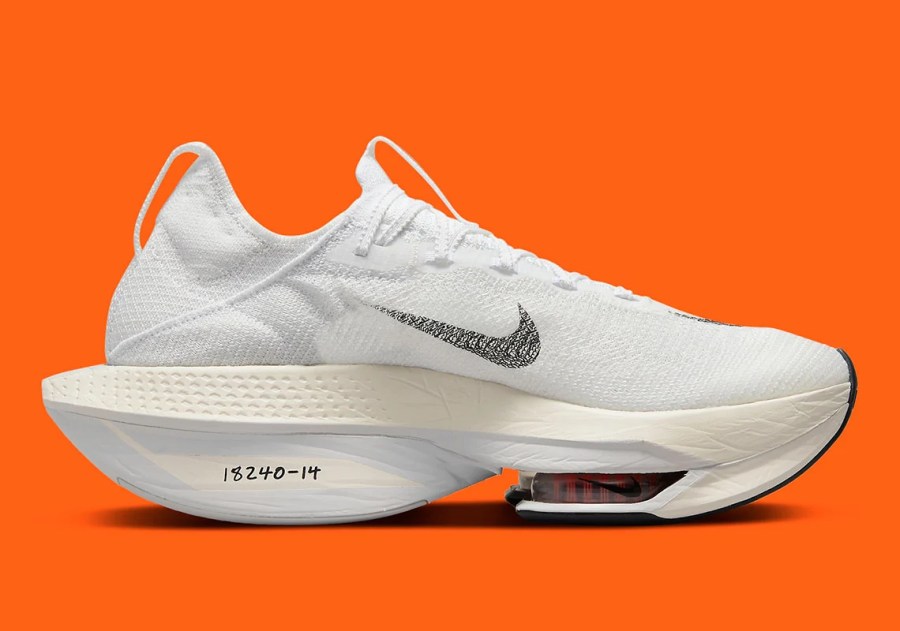
So what exactly is so special about this shoe? After all, isn’t a shoe just composed of a meshy upper layer and a shock absorbent sole? It turns out this couldn’t be further away from the truth. This shoe was an early prototype of a shoe now known as the Nike AlphaFly, and if you feel like your weekly joggers were comfortable, think again. This shoe has 3 carbon fibre plates, which reduce energy expenditure by stabilising the ankle, and also helps the sole compress faster to provide a more effortless feel. Speaking of the sole, there are 2 layers of midsole foam, with extra cushioning pads. Near the front of the shoe, there are also a pair of cushioning pads, which are also pressured to help reduce impact.
The development of the shoe is also just as intriguing, especially for professional athletes like Kipchoge. A team will initially take the measurements of the foot using a 3D laser scan of the foot to make sure the fit of the shoe is neither too tight nor too loose. This also includes the arch of the foot, and is not just about the sizing. After measurements are taken, the athlete then walks across a foot pressure mat, where the team analyses the athlete’s foot strike, allowing the team to cater the shoe to have the cushioning mats and flex zones placed where the foot strikes naturally. Finally, the athlete’s range of motion is measured, where athletes undergo various foot and ankle positions. Here, additional modifications can be made specific to the athlete in order to reduce the chance of injury.
It’s amazing how rigorous the development process is, but the results speak for themselves. Many road race records have been broken with the Nike AlphaFly, or its variants, the VaporFly. Many other top companies, such as Saucony or On, have also developed shoes, which also include but are not limited to short and middle distance spikes. Here, I believe the 3 principles that are considered as a foundation of this innovation are expertise, trial and error, and a whole lot of creativity and balance. It is likely that we will see more of these shoes in the future — after all, records are made to be broken.
But is this necessarily a beneficial thing, that is, will the true status of records, accessibility of technology, ethicality and human health be benefitted or rather diminished by these developments? In an extension article, I will take an economical and holistic stance on the impact of new technology to society.
 Veni Vidi Veritatem